Let’s be real for a second: choosing a PA speaker isn’t just about finding the biggest number followed by the word “Watts.” If you’ve ever been stuck at a gig with a speaker that clips too early or sounds like a tin can when pushed, you know exactly what I mean.
In 2026, the market is flooded with “budget” options, but finding that sweet spot between price and professional performance is where the real challenge lies. For most mobile DJs, solo musicians, and event hosts in the US, the 12-inch powered speaker is the “Goldilocks” of sound—not too small like a 10-inch, and not as bulky and back-breaking as a 15-inch.
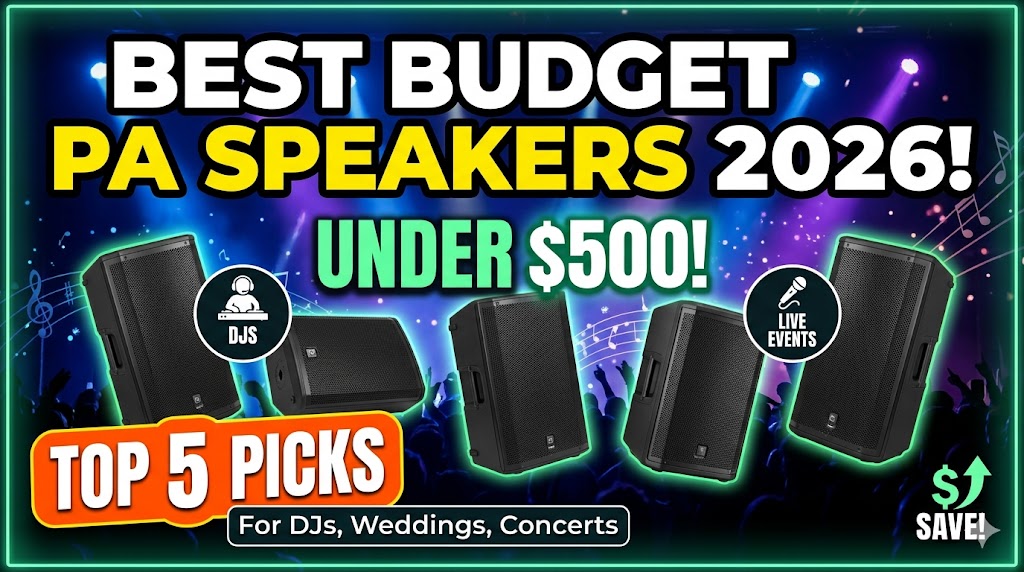
In this guide, we’re breaking down the top 5 budget 12-inch PA speakers that actually deliver in the real world.
1. Yamaha DBR12: The Unbeatable Workhorse
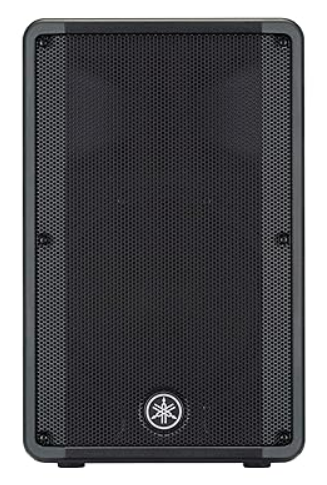
If you ask any seasoned sound engineer in the States which budget speaker they trust most, the Yamaha DBR12 is almost always at the top of the list. It’s not the flashiest speaker, and it doesn’t have a fancy LCD screen or Bluetooth, but it works—every single time.
Why It Dominates the Budget Category:
The DBR12 features a 1000-watt Class-D amplifier that pushes out a massive 131 dB Max SPL. To put that in perspective, that’s plenty of headroom for a wedding reception or a medium-sized bar gig without the sound distorting.
The Reliability Factor: Yamaha is legendary for its build quality. This speaker includes intelligent DSP protection that monitors the system to prevent damage. Plus, in the USA, Yamaha offers an incredible 7-year warranty, which is unheard of at this price point.
Versatility: The cabinet design is clever. You can use it as your main front-of-house (FOH) speaker on a pole, or flip it on its side to use as a high-quality floor monitor.
Verdict: If you use an external mixer and want a “set it and forget it” speaker that will last you a decade, the DBR12 is the gold standard.
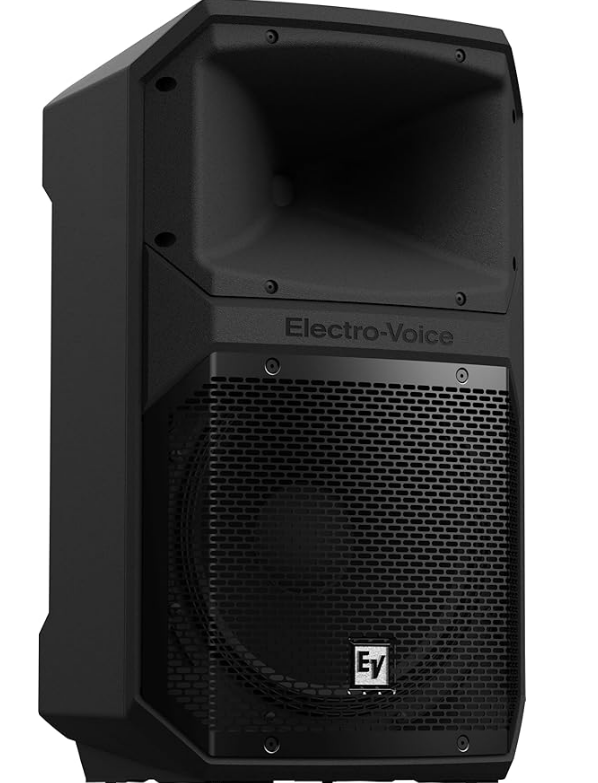
2. Electro-Voice (EV) EVIVA 12P: Pure Vocal Clarity
Electro-Voice has been a staple in American venues for decades. The EVIVA 12P is their answer to the budget-conscious performer who refuses to sacrifice sound quality.
The Sound Signature:
While the DBR12 is about raw power, the EVIVA 12P focuses on clipping-free clarity. It delivers 1000 watts and a 127 dB SPL. While the SPL is slightly lower than the Yamaha, the tonal balance is exceptional. Vocals are crisp, making it a favorite for public speakers and acoustic duos.
Modern Features: Unlike the Yamaha, the EVIVA 12P includes Bluetooth streaming, which is a lifesaver for playing background music from your phone during cocktail hour.
Portability: Weighing in at just 26.5 lbs, your back will thank you at 2 AM when you’re loading out after a long gig.
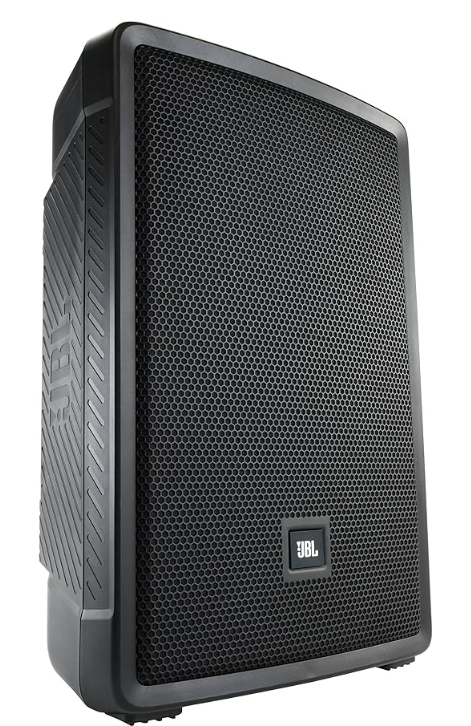
3. JBL IRX112BT: The Mobile DJ’s Best Friend
JBL is a brand that everyone recognizes, from backyard parties to professional stadiums. The IRX112BT is designed for the person who needs to move fast and sound good instantly.
Smart Features That Save Your Gig:
JBL packed this speaker with “quality of life” features that actually matter:
Feedback Suppression: We’ve all been there—a guest picks up a mic and walks right in front of the speaker. The built-in dbx DriveRack technology helps kill that feedback before it ruins the vibe.
Music Ducking: This is huge for mobile DJs. If you’re playing music and need to make an announcement, the speaker automatically lowers the music volume when you speak into the mic.
4. Alto TS412: The Feature-Packed Powerhouse
If you want the most “bang for your buck” in terms of modern technology, the Alto Professional TS412 is hard to beat. Alto has gone from being a “cheap” brand to a serious contender in the US budget market.
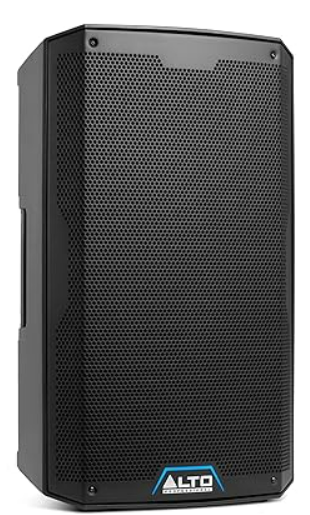
Why Tech-Savvy Users Love It:
The Alto App: You can control your EQ, DSP modes, and volume right from your phone. No more climbing behind the speaker on a stand to adjust settings.
True Wireless Stereo (TWS): You can link two TS412 speakers wirelessly for a clean Bluetooth stereo setup without running long XLR cables across the room.
Raw Output: Alto claims a massive 2500W peak power. While “peak” numbers are often marketing hype, the TS412 definitely hits hard and stays loud.
5. PreSonus Air12: The Reliable All-Rounder
The PreSonus Air12 might not get as much “hype” as JBL or EV, but it is a incredibly solid piece of engineering. It’s often the choice for small churches, schools, and home studios.
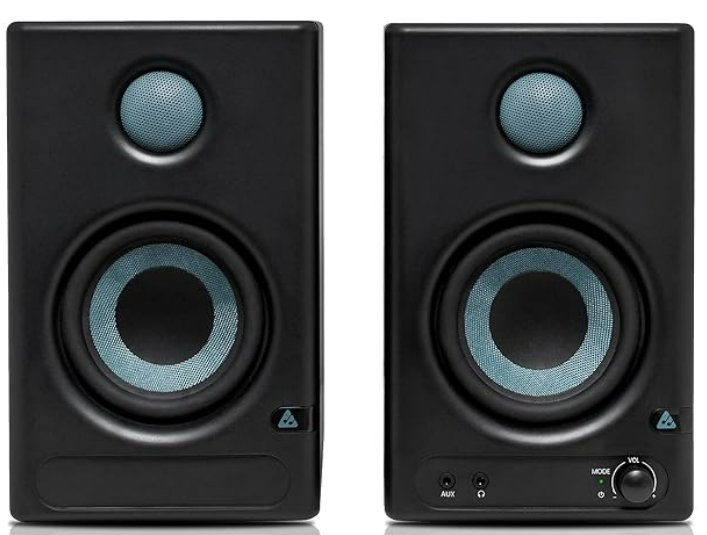
What Sets It Apart:
The Air12 uses a unique hybrid amplifier setup (Class D for the lows and Class AB for the highs). This gives it a very “warm” and natural sound that isn’t as harsh as some other budget speakers. It also features a simple 2-channel mixer on the back, making it perfect for a singer-songwriter who just needs to plug in a mic and a guitar.
Buying Guide: What Actually Matters in 2026?
1. Don’t Chase Peak Watts
Manufacturers love to put “2000 Watts” or “3000 Watts” on the box. In the real world, focus on the Max SPL (Sound Pressure Level). A speaker with 130 dB SPL will almost always outperform a “higher-wattage” speaker with lower SPL.
2. Weight and Handles
In the USA, many of us are “one-man shows.” If a speaker is 50 lbs, it’s a chore. Aim for speakers under 30 lbs (like the EV or JBL) if you gig frequently. Also, look for speakers with multiple handles (top and sides).
3. DSP (Digital Signal Processing)
Modern DSP acts like an invisible sound engineer. It protects your woofers from blowing and keeps the sound balanced at high volumes. Brands like Yamaha and EV have the best DSP algorithms in this price range.
Final Verdict: Which One Should You Buy?
Best Overall: Yamaha DBR12 (For those who value reliability and warranty above all else).
Best for Vocals: EVIVA 12P (If clarity and brand prestige matter).
Best for Portability: JBL IRX112BT (Perfect for mobile DJs and quick setups).
Best Features: Alto TS412 (If you want app control and wireless linking).