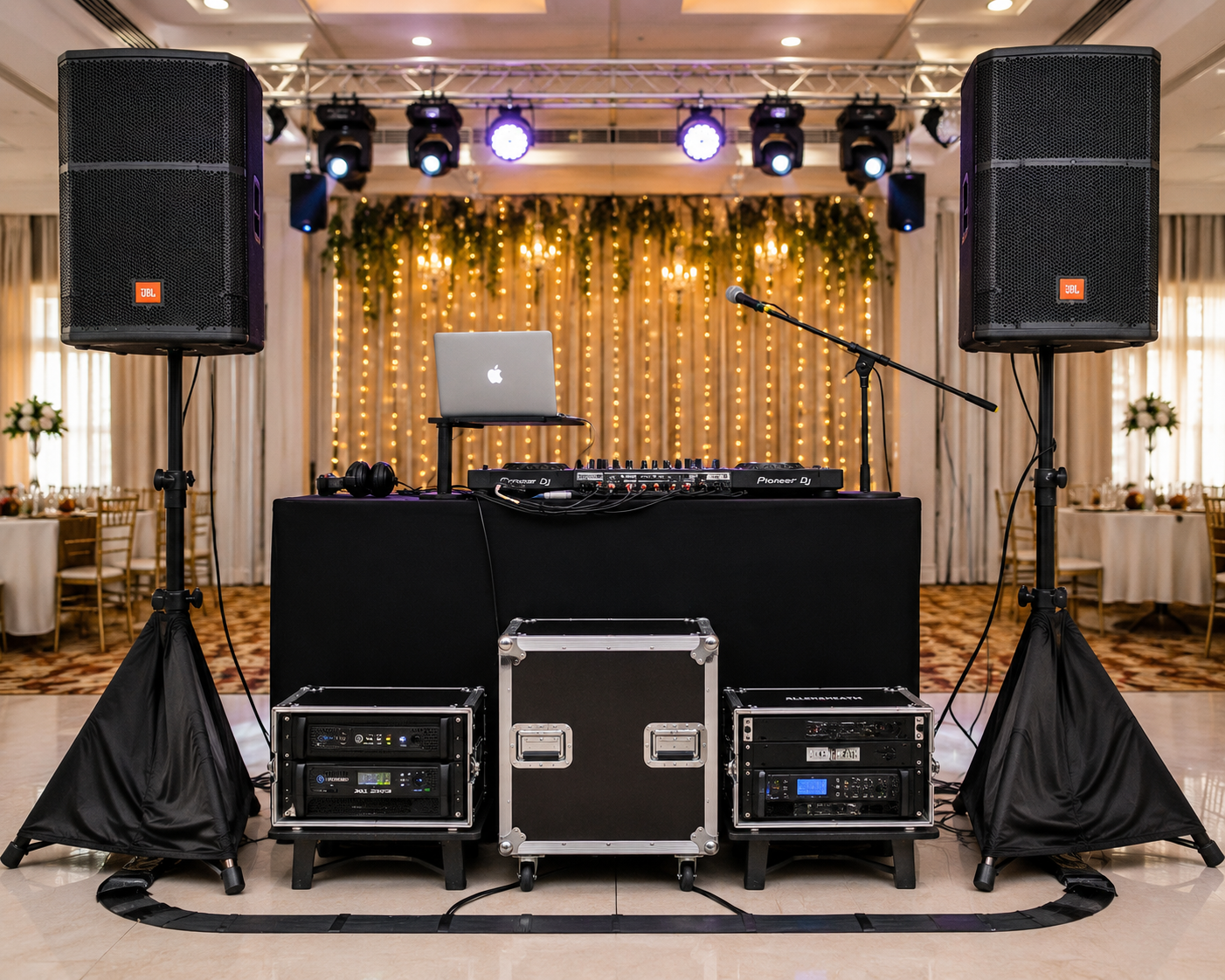
Imagine you are playing a packed wedding gig. The energy is high, the dance floor is full, and your bass is shaking the room. Suddenly, an excited guest trips over your heavy-duty speaker stand. The speaker topples over, shattering a laptop and injuring the guest’s foot. Within minutes, a perfect night turns into a stressful legal headache.
As a professional DJ, you spend months researching the right amplifiers, comparing professional DJ mixers, and building your sound setup. But many artists completely overlook the single most important tool that protects their career: insurance. This article covers DJ Liability Insurance Explained: Do DJs Really Need It? to help you understand how to shield your business from financial ruin.
Whether you run a mobile DJ business in India performing at grand destination weddings or hold a club residency in the UK, understanding DJ liability insurance is vital to keeping your business safe.
Product Overview: What is DJ Liability Insurance?
Think of insurance as a financial shield for your business. Just like a high-quality flight case protects your premium DJ media player from bumps during transport, an insurance policy protects your bank account when things go wrong at a gig.
In the entertainment world, this coverage is primarily called public liability insurance for DJs. It is a contract between you and an insurance provider. You pay a small fee every month or year (a premium), and in return, the insurance company agrees to pay for legal fees, property damage, and medical expenses if your DJ activities accidentally cause harm to members of the public or the venue.
Key Features of DJ Insurance Policies
A standard policy behaves exactly like a reliable piece of audio equipment—it has specific inputs, outputs, and functions. A well-rounded DJ event insurance policy typically includes these core protections:
- Third-Party Bodily Injury: Pays for medical bills if a guest trips over your subwoofer or gets hurt by falling gear.
- Third-Party Property Damage: Covers repair costs if you accidentally spill a drink on the venue’s expensive mixing console or damage their walls while moving flight cases.
- Legal Defense Fees: Covers the cost of hiring a lawyer if a client or venue decides to take you to court over an incident.
- Equipment Protection (Optional Add-on): Fixes or replaces your expensive microphones, controllers, and speakers if they are stolen or damaged in a fire.
Policy Specifications Table
To make it easy to understand, here is how a typical professional insurance policy breaks down in terms of limits, structures, and coverages across the UK and Indian markets.
| Specification Parameter | UK Policy Standard | Indian Policy Standard |
| Primary Coverage Name | Public Liability Insurance (PLI) | Public Liability (Non-Industrial) Insurance |
| Standard Coverage Limit | £1 Million to £10 Million | ₹10 Lakhs to ₹1 Crore+ |
| Policy Duration Options | Single Event, Short Term, or Annual | Per Event or Annual Business Cover |
| Geographic Coverage | UK-wide (Worldwide extensions available) | India-wide |
| Equipment Cover Option | Often bundled or added as “All Risks” gear cover | Added via a separate Electronic Equipment Insurance (EEI) policy |
| Common Add-ons Available | Employer’s Liability (for roadies/assistants) | Tenant’s Liability, Food & Beverage Liability |
Performance Analysis: How the Protection Works in Real Life
An insurance policy does not make a sound, but its performance is measured by how quickly it responds when an accident occurs. Let’s look at three practical scenarios where having this protection changes everything.
Scenario A: The Trip Hazard (Indoor Performance)
You set up a pair of dual-15 inch professional tops on heavy tripods for a corporate party. You run the XLR cables along the floor. Even though you used gaffer tape, a guest wearing heels catches her foot on the line. She falls and breaks her wrist. Her legal team demands compensation for medical bills and lost wages. Your public liability policy takes over the communication and handles the settlement.
Scenario B: The Rigging Failure (Outdoor Festival Performance)
During a windy outdoor festival setup, a sudden gust of wind knocks over a truss holding your DJ lighting and monitors. It smashes into the festival venue’s bar structure. The venue management demands immediate payment for property damage before they let you pack up your gear. Your insurance company steps in to assess the property damage and clear the financial claim.
Scenario C: The Gear Theft (On the Road)
You leave your premium DJ controller and wireless microphone system in your car trunk overnight between two wedding gigs. Someone breaks the window and steals your entire mobile kit. If you opted for the equipment extension alongside your basic liability policy, the provider helps fund the replacement equipment so your business keeps running.
Advantages and Limitations
Like any piece of pro audio gear, insurance has its distinct pros and cons.
Advantages
- Guaranteed Venue Access: Most high-end hotels, banquet halls, and municipal venues in the UK will not let you plug in a single power cord unless you show a valid Public Liability Insurance certificate. This trend is also growing rapidly in premium Indian hospitality venues.
- Peace of Mind: You can focus entirely on your music selection, beatmatching, and crowd interaction without constantly worrying about a rowdy guest damaging your setup.
- Professional Reputation: Having a valid certificate shows corporate clients and luxury wedding planners that you run a legitimate, secure business.
Limitations
- Out-of-Pocket Excess (Deductible): You always have to pay a small fixed amount toward a claim before the insurance company pays the rest.
- Intentional Damage Exclusions: The policy will never cover claims if you deliberately break something or get into a physical fight at the venue.
- Hearing Damage Claims: Most standard policies exclude claims related to gradual hearing loss from loud music, as it is expected that guests know a dance floor will be loud.
Price and Value for Money Analysis
Many artists avoid getting insured because they think it is an expensive luxury. In reality, it offers excellent value for money compared to the cost of replacing damaged venue property or paying legal fees out of pocket.
- In the UK: Annual public liability cover offering up to £5 million in protection can start as low as £40 to £80 per year through professional DJ associations or specialized event insurers.
- In India: A basic annual public liability policy for a mobile DJ startup ranges between ₹3,000 and ₹8,000 depending on the total payout limit you select.
If you consider that a single lawsuit or a damaged high-end projector at a hotel can cost lakhs of rupees or thousands of pounds, the annual premium is an incredibly small investment to protect your livelihood.
Who Should Buy It?
- Mobile and Wedding DJs: You work in unpredictable environments with kids running around, older guests, and venues you do not control. You absolutely need this protection.
- Club and Bar Residents: Even if the club has its own venue insurance, their lawyers might still blame you if an accident happens specifically because of your personal laptop, cables, or controllers.
- Sound Rental Providers: If you provide both the music and the sound system hire for external events, your risk multiplies, making liability insurance mandatory.
Who May Not Need It?
If you are a bedroom hobbyist who only mixes music at home for online streams, or you only play private house parties for close family members who would never take legal action against you, you can skip commercial liability insurance for now.
Buying Advice: How to Choose the Right Policy
Before you buy a policy, make sure it fits your specific business layout. Keep these three practical points in mind:
- Check the Payout Limit Requirements: Ask the venues you want to target what their minimum requirements are. In the UK, many corporate spaces require a minimum of £5 million in cover. In India, luxury hotels often ask for a clear commercial liability clearance.
- Declare Your Gear Correctly: If you are buying equipment protection alongside liability, list your serial numbers and keep your original receipts for your mixers, speakers, and amplifiers. Without proof of purchase, claims are difficult to process.
- Read the Wet Hire Rules: If you hire roadies or assistants to load your heavy dual subwoofers into the van, ensure your policy includes employer’s liability or helper protection to cover them if they hurt their backs on the job.
Suggested Internal Links for DJPrice.in
As you safeguard your business with the right legal protection, make sure your audio hardware is just as reliable. Check out our practical product breakdowns to build your ideal setup:
- Protect your electronics from power spikes: Take a look at our guide on the [Best Power Conditioners for DJ Rigs].
- Keep your equipment safe on the road: Explore our reviews of the toughest [Heavy Duty DJ Flight Cases].
- Upgrade your main sound setup safely: See our recommendations for the top [Professional DJ Amplifiers for Mobile Shows].
- Deliver clear sound without cable clutter: Read our look into reliable [Wireless Microphone Systems for Weddings].
Frequently Asked Questions
1. Does my DJ liability insurance cover my gear if it gets stolen from my house?
Standard liability insurance only covers damage or injury you cause to other people. If you want your own equipment protected against theft at home or during transit, you must specifically add “Equipment Protection” or “All Risks Audio Gear Cover” to your policy.
2. Can I buy DJ event insurance for just a single day?
Yes. If you only do two or three big public events a year, you can purchase single-event DJ insurance. However, if you perform more than four times a year, an annual policy is almost always cheaper and saves you the hassle of re-applying every weekend.
3. What should I do if someone trips over my speaker stand at a gig?
First, help the guest and ensure they receive proper medical attention. Second, take clear photos of your setup, the cables, the gaffer tape, and the surrounding area immediately. Third, collect the contact details of any witnesses. Finally, contact your insurance provider as soon as possible to report the incident, even if the guest says they are fine.
4. Are active speakers safer from a liability standpoint than passive speaker setups?
From an electrical safety standpoint, active speakers reduce the risk of someone tripping over external amplifier racks since the power amplifiers are built right into the speaker boxes. However, you still run power cables and signal lines to them, meaning the physical trip hazards remain identical. Always use cable mats or safety tape.
5. Does public liability insurance for DJs cover me if the event gets canceled?
No. General liability insurance only covers injury and property damage. If you want protection against a bride canceling a wedding or an outdoor event getting rained out, you need to look into a specific policy extension called “Event Cancellation Insurance.”
Final Verdict
When evaluating DJ Liability Insurance Explained: Do DJs Really Need It?, the answer for any working professional is a clear yes. Running a DJ business without public liability cover is like running a high-power amplifier into clipping all night—sooner or later, something is going to break, and the fallout will be incredibly expensive.
For the price of a few basic audio cables a month, you can protect your sound equipment investment, secure access to the best premium venues, and ensure that an unexpected accident never puts an end to your music career.
1 thought on “DJ Liability Insurance Explained: Do DJs Really Need It?”